Report · Palestine
Adaptation Under Occupation
Climate change vulnerability in the occupied Palestinian territory
by Al-Haq · 2019
About the report
The south Hebron hills, including Masafer Yatta, are among the most climate-vulnerable areas of the occupied Palestinian territory. In this report, Suha Jarrar of Al-Haq examines whether the herding and farming communities there can adapt to climate change under Israel’s prolonged occupation.
The report shows how Israeli policies in Area C block even basic, small-scale adaptation: communities are denied access to water and grazing land, cannot build or repair structures without facing demolition, pay high prices for animal feed and face settler violence. It also looks at women’s particular vulnerability and at alternative livelihoods such as beekeeping.
Examining international humanitarian, human rights and environmental law, including the Paris Agreement, Al-Haq concludes that Palestinians cannot adapt to climate change without realising their right to self-determination and permanent sovereignty over their natural resources.
Read the report? Take the next step.
Join a Palestine solidarity group near you, travel with a delegation to Palestine, or become part of Solidarity Rising.
More reports on Palestine
Related resources
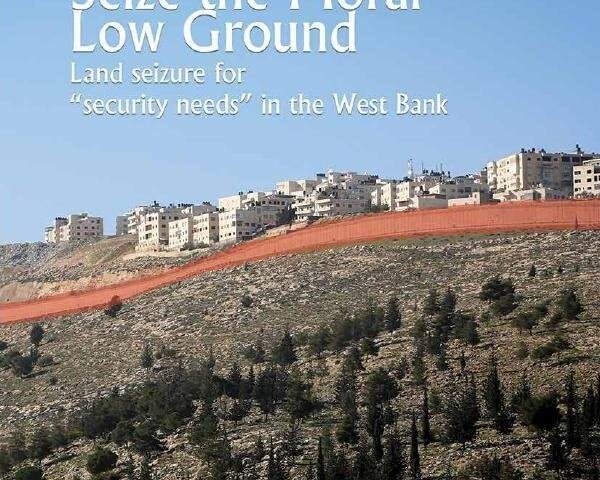
Seize the Moral Low Ground: Land Seizure for “Security Needs” in the West Bank
Kerem Navot shows how Israel used military seizure orders for 'security needs'…
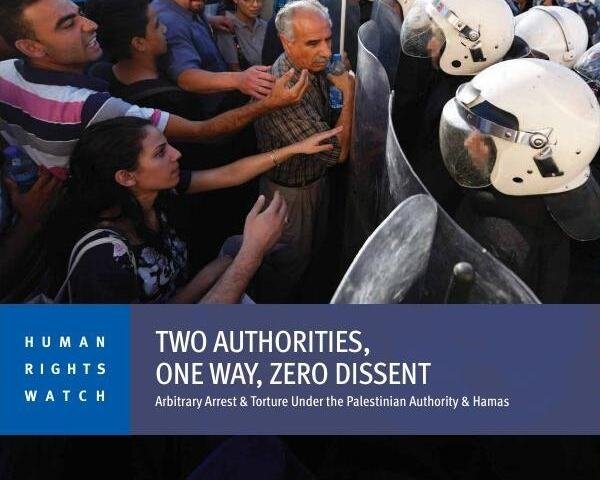
Two Authorities, One Way, Zero Dissent: Arbitrary Arrest and Torture Under the Palestinian Authority and Hamas
Human Rights Watch documents how the PA and Hamas arrest Palestinians for…
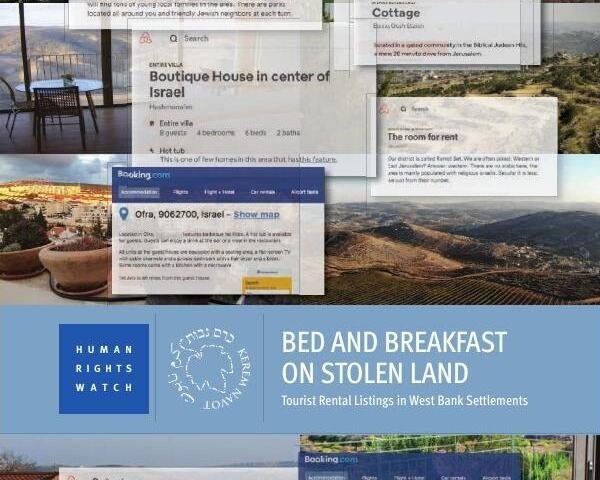
Bed and Breakfast on Stolen Land: Tourist Rental Listings in West Bank Settlements
Human Rights Watch and Kerem Navot show how Airbnb and Booking.com profit from…