Related resources
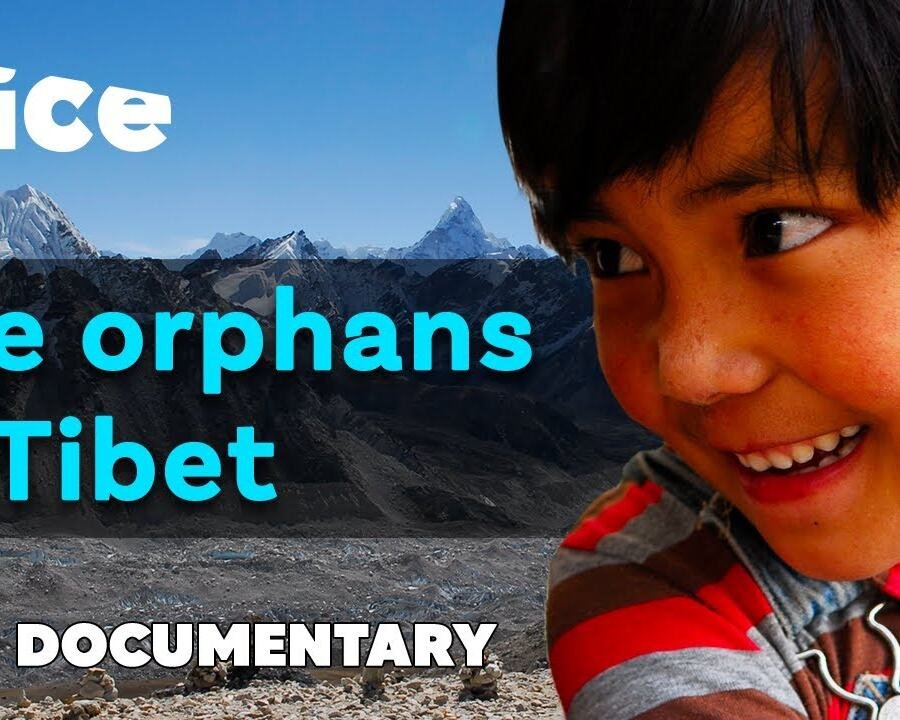
The Exodus of Tibetan Children
Dholma and Sonam, sent secretly across the Himalayas so they can grow up as…
Dholma and Sonam, sent secretly across the Himalayas so they can grow up as…
Article · Journal article (open access) · Kurdistan
By Necla Acik & Umut Erel · Gender, Place & Culture · June 2019 · 34 min read
Published by Gender, Place & Culture. Opens on doi.org.
Umut Erel and Necla Acik examine the Kurdish women’s movement in Turkey since the 1990s and argue that it has practised what they call intersectional multilayered citizenship. Working within the Kurdish national movement, women activists have challenged oppression based on gender, ethnicity and class at every level, from the family and the local community to the national movement and the Turkish state.
The study draws on interviews with women’s rights activists in Diyarbakır in 2014 and 2015, observation at eight organisations and analysis of party programmes, statements and press coverage. The authors look at three changes the movement brought about: autonomous women’s assemblies organised from neighbourhood to national level, gender quotas in pro-Kurdish parties that rose from 25 percent in 2000 to 50 percent by 2011, and the co-chair system, in which a woman and a man share every elected leadership post. These changes increased the number of women in parliament and local government, made violence against women a recognised political issue and spread co-chairing to some trade unions, even though Turkish law does not recognise it.
The authors conclude that the movement has made gender equality central to Kurdish ethnic and democratic demands and has challenged stereotypes of Kurdish women. They also note that close ties to a hierarchical party can confine women to roles such as mothers and keepers of the language, and they present the movement as a contribution from the Global South to feminist theory.
Travel with a delegation to Kurdistan, or become part of Solidarity Rising.