Report · Tibet
China’s “Bilingual Education” Policy in Tibet
Tibetan-medium schooling under threat
by Human Rights Watch · 2020
About the report
This Human Rights Watch report finds that China’s education policy in the Tibet Autonomous Region (TAR) is sharply reducing Tibetans’ access to education in their mother tongue. Although it is called “bilingual education”, the policy is in practice leading to the gradual replacement of Tibetan by Chinese as the language of instruction in primary schools, except in classes that teach Tibetan as a subject.
Chinese has been the teaching language in nearly all TAR middle and high schools since the 1960s. The report shows that more primary schools and even kindergartens now teach Tibetan pupils in Chinese, a trend that began in towns and is spreading to rural areas. Parents in six rural townships in northern TAR told Human Rights Watch in 2019 that Chinese-medium teaching had been introduced in their local primary schools that year.
The report argues that TAR authorities use cultivated ambiguity in public while applying indirect pressure on schools to favour Chinese. It also sets out the standards that apply to minority language education under Chinese and international law.
Read the report? Take the next step.
Join a Tibet solidarity group near you, travel with a delegation to Tibet, or become part of Solidarity Rising.
More reports on Tibet

Related resources
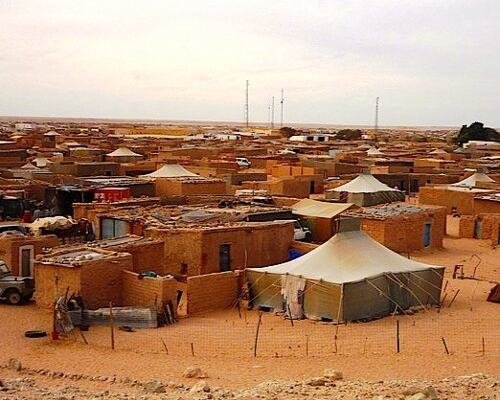
Western Sahara: Stalemate and Its Discontents, Alice Wilson
Anthropologist Alice Wilson, then at the University of Cambridge, speaks at the…
Western Sahara: Time to Be Free, Public Meeting in Dublin
Mohamed Belsat, the Polisario Front's representative to Europe, Sahrawi human…
The Ideal Refugees: Gender, Islam and the Sahrawi Politics of Survival, Elena Fiddian-Qasmiyeh
Elena Fiddian-Qasmiyeh of University College London presents her book The Ideal…