Related resources

The Exodus of Tibetan Children
Dholma and Sonam, sent secretly across the Himalayas so they can grow up as…
Dholma and Sonam, sent secretly across the Himalayas so they can grow up as…
Article · Journal article · Western Sahara
By Yahia H. Zoubir · Humboldt Journal of Social Relations · 1995 · 50 min read
Published by Humboldt Journal of Social Relations. Opens on jstor.org.
Yahia H. Zoubir asks why the Western Sahara conflict never reached the stage of prenegotiation, where the parties agree to talk on terms they both accept. He argues that Morocco consistently refused to negotiate with the Polisario Front, which it would not recognise as an independent party, while Polisario was willing to talk. He roots the conflict in Spain’s failure to hold the referendum the UN and the OAU had called for, and in Morocco’s Green March and later actions after the 1975 ICJ opinion rejected Moroccan and Mauritanian claims to sovereignty.
Zoubir follows the attempts at talks over two decades: the 1981 Nairobi referendum offer, King Hassan’s meetings with Polisario representatives in 1989, the 1990 UN peace plan, the 1991 “second Green March” and the 1993 talks in El Aaiún, which he says failed because Morocco was not ready to negotiate. He separates genuine prenegotiation from strategic bargaining aimed at other goals, and he examines Algeria’s inconsistent diplomacy and the roles of the United States and France.
He concludes that the conflict will continue unless a credible negotiating process begins, and that the UN and the Western powers share responsibility for the deadlock.
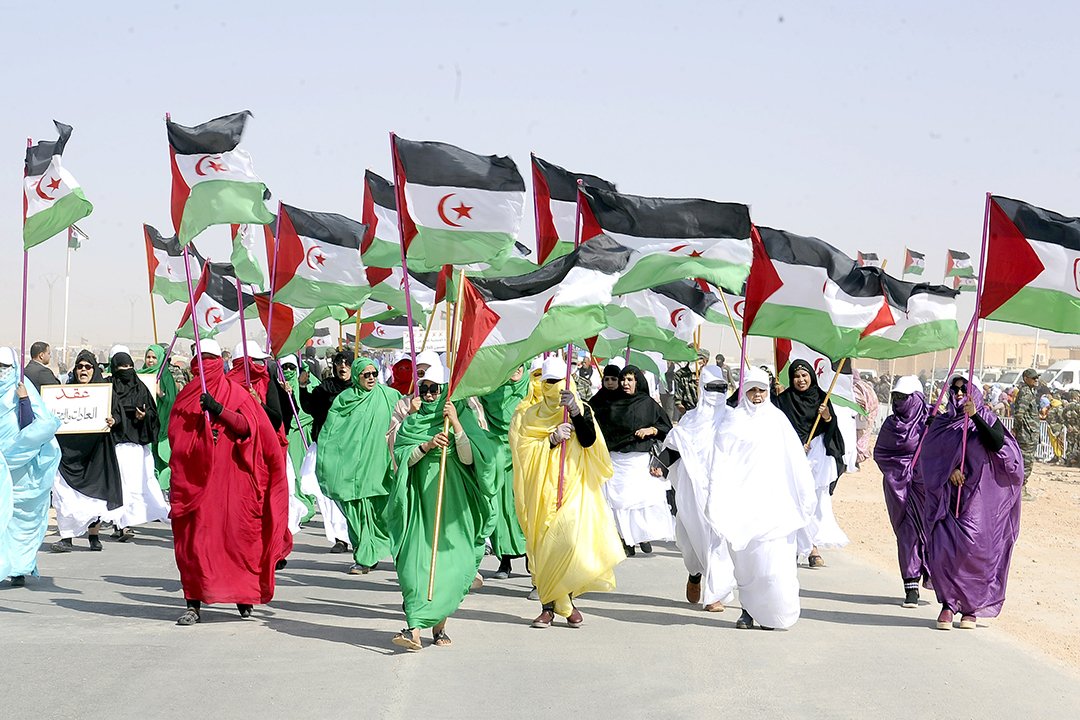
Join a Western Sahara solidarity group near you, travel with a delegation to Western Sahara, or become part of Solidarity Rising.