Report · Tibet
Bilingual Education Policy in Tibet
The systematic replacement of Tibetan language with Mandarin Chinese
by Tibetan Centre for Human Rights and Democracy (TCHRD) · 2017
About the report
This special report by the Tibetan Centre for Human Rights and Democracy (TCHRD) examines China’s bilingual education policy in Tibet and argues that it is systematically replacing the Tibetan language with Mandarin Chinese. It opens by explaining why language is central to culture and identity and why the loss of a language means the loss of history and of a people’s ability to express themselves.
The report traces the history of the People’s Republic of China’s minority language policies and the development of bilingual education in Tibet, and analyses Chinese laws on minority language rights alongside international standards that treat language rights as human rights. It also looks at how Tibetan culture is perceived in Chinese education policy.
It then sets out the failings of the bilingual education policy in Tibet and finds that, despite official claims of empowering minorities, the shift to Mandarin has disempowering effects, including low school enrolment and the erosion of Tibetan language and culture.
Read the report? Take the next step.
Join a Tibet solidarity group near you, travel with a delegation to Tibet, or become part of Solidarity Rising.
More reports on Tibet

Related resources
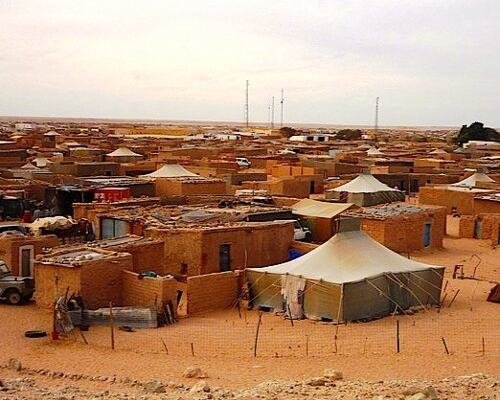
Western Sahara: Stalemate and Its Discontents, Alice Wilson
Anthropologist Alice Wilson, then at the University of Cambridge, speaks at the…
Western Sahara: Time to Be Free, Public Meeting in Dublin
Mohamed Belsat, the Polisario Front's representative to Europe, Sahrawi human…
The Ideal Refugees: Gender, Islam and the Sahrawi Politics of Survival, Elena Fiddian-Qasmiyeh
Elena Fiddian-Qasmiyeh of University College London presents her book The Ideal…