Related resources
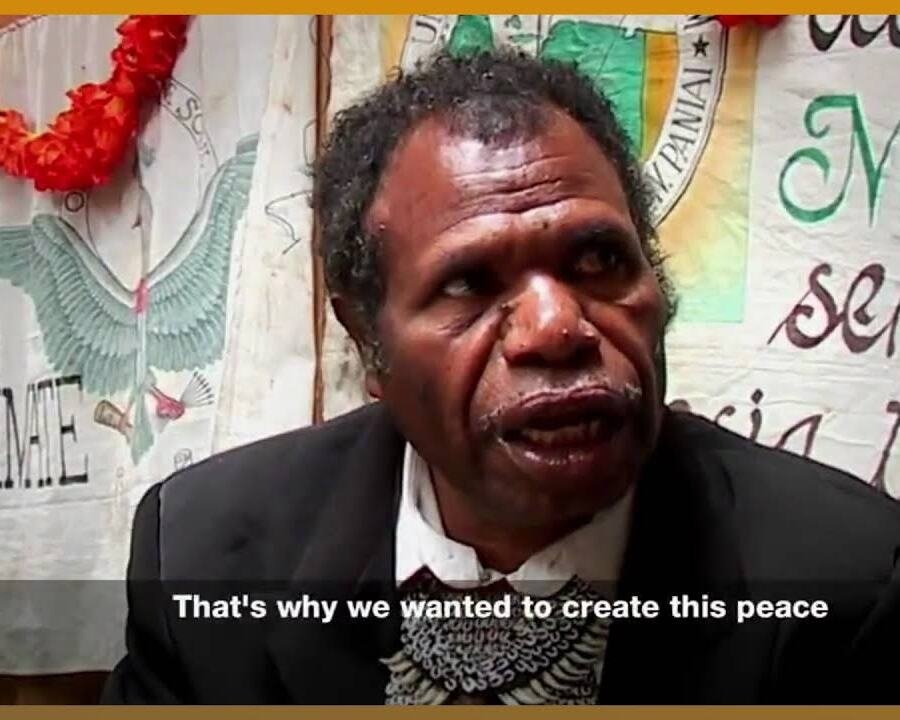


The Exodus of Tibetan Children
Dholma and Sonam, sent secretly across the Himalayas so they can grow up as…

Dholma and Sonam, sent secretly across the Himalayas so they can grow up as…
Article · Journal article · Tibet
By Dawa Lokyitsang · Tibet Policy Journal (Tibet Policy Institute) · 2020 · 30 min read
Published by Tibet Policy Journal (Tibet Policy Institute). Opens on lhakardiaries.com.
Dawa Lokyitsang argues that China’s rule over Tibet remains colonial, but that state discourse hides this by presenting Tibetans as Chinese and the Chinese state as their benevolent protector. In her account the state reshapes both Tibetan and Chinese identities so that Tibet appears as an internal part of China instead of a colonised territory.
She opens with a 2012 New York Times essay by the Chinese rights lawyer Xu Zhiyong, who used “we” to place Han Chinese and Tibetans side by side as fellow citizens, even though the Tibetans who set themselves on fire were calling for freedom from Chinese rule. She then traces this framing through history: Qing officials, worried about Western imperialism, sought control over Kham; nationalist scholars such as Ren Naiqiang described Tibetan customs as remnants of ancient Chinese culture and Tibetans as primitive; the People’s Republic justified its takeover between 1949 and 1959 as liberation from Western imperialism, blamed the 2008 protests on Western interference and presents development projects as gifts to backward “little brothers”.
Lokyitsang concludes that these strategies let the state present itself as anti-imperialist and benevolent while silencing Tibetan accounts of their own history, so that colonial rule in Tibet, Xinjiang and Inner Mongolia continues under the label of a modern nation-state.
Travel with a delegation to Tibet, or become part of Solidarity Rising.