Related resources
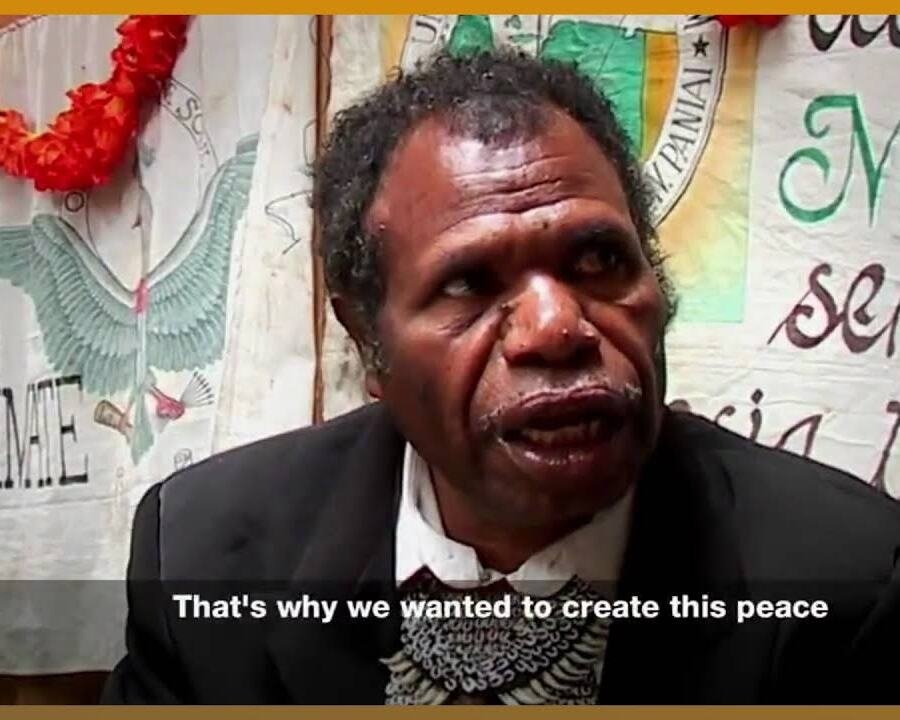


The Exodus of Tibetan Children
Dholma and Sonam, sent secretly across the Himalayas so they can grow up as…

Dholma and Sonam, sent secretly across the Himalayas so they can grow up as…
Article · Analysis · Kurdistan
By Meghan Bodette · Kurdish Peace Institute · May 2025 · 8 min read
Published by Kurdish Peace Institute. Opens on kurdishpeace.org.
Meghan Bodette, director of research at the Kurdish Peace Institute, explains why many Syrian Kurds support federalism after the fall of the Assad government. She argues that their position comes from experience. In the region’s unitary states, Kurds have been given limited rights that were later taken back by force, and federal Iraq is the only country where Kurds have full collective rights and have not faced mass state violence since. In her view, federalism is a way to secure rights within Syria’s existing borders, not a step towards partition.
Bodette points to Iraq’s 1970 autonomy agreement, which was never fully carried out and ended in years of war, and to Turkey, where pro-Kurdish municipalities that won elections were crushed after peace talks collapsed in 2015. Turkey and Iran still restrict education and publishing in Kurdish and jail teachers, and before the war Syria banned Kurdish names, schools and books. She notes some hopeful signs in the new Syria, such as the March 2025 agreement on integrating the SDF, but also worrying ones, including a constitutional declaration that recognises only Arabic as an official language and the promotion of commanders accused of abuses.
She concludes that Damascus should respond to calls for federalism with understanding, not condemnation, and that Kurdish leaders should be open to flexible forms of decentralisation. A strong but flexible state, she argues, could resolve the Kurdish question, while a rigid one risks breaking under it.
Travel with a delegation to Kurdistan, or become part of Solidarity Rising.