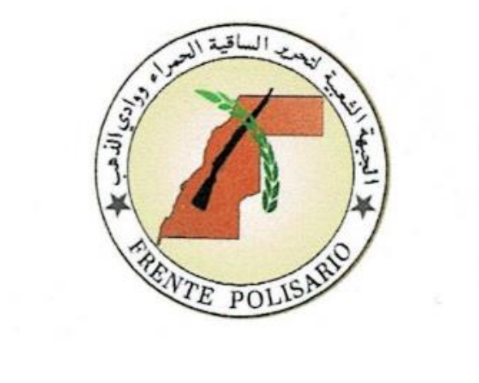
The conflict between the Polisario Front and the Kingdom of Morocco is approaching its 43rd year and, despite being under-reported, continues to draw attention for the resilience of the ethnically Sahrawi rebel movement. Even as regional and international politics have shifted—and with nearly 150,000 Sahrawi refugees living in camps in Algeria—the Polisario Front has endured. This article asks what explains that persistence and applies Bourdieu’s “forms of capital” as an analytical lens.
Drawing on field research in Algeria, Western Sahara, and the United States, it argues that the group’s social, cultural, symbolic, and economic capital help account for its survival.
Full report
Source: Routledge / Taylor & Francis: Small Wars & Insurgencies
Share via
Related resources
Observations and Topics to be Included in the List of Issues
From a legal standpoint, the Sahrawi people are unequivocally entitled to…
Amnesty International public statement: Moroccan authorities assault Sahrawi women activists
On 15–16 April 2022, Moroccan authorities beat and injured at least five…
A gap in the wall: Collective report on violations of economic, social and cultural rights in Western Sahara under illegal occupation by Morocco
This report is the result of the work of a group of young people who, in Barria…