Related resources

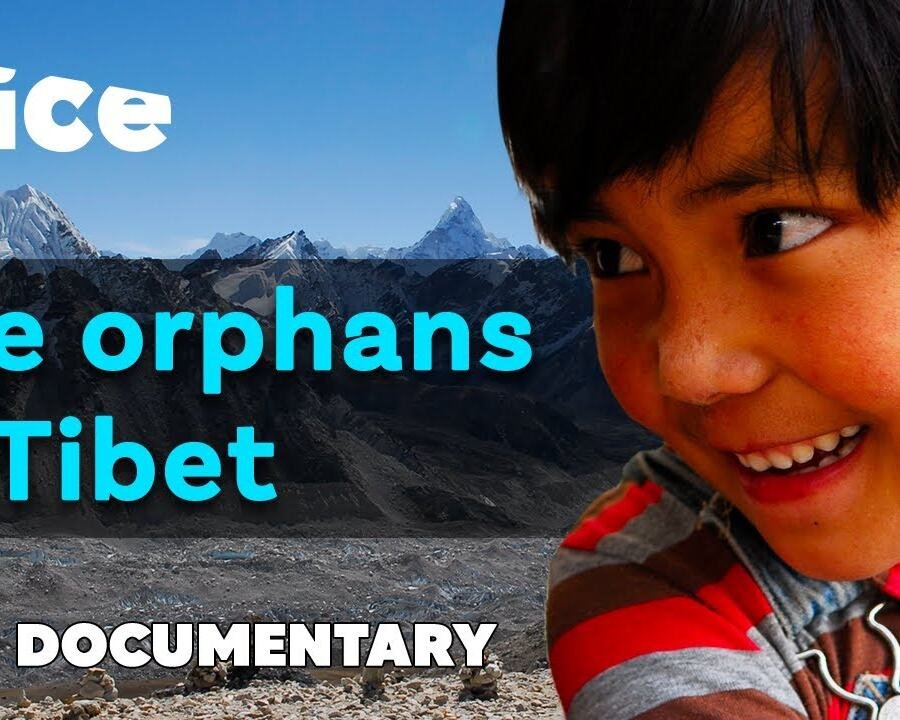
The Exodus of Tibetan Children
Dholma and Sonam, sent secretly across the Himalayas so they can grow up as…
Dholma and Sonam, sent secretly across the Himalayas so they can grow up as…
Article · Journal article (open access) · Tibet
By Dawa Lokyitsang · Made in China Journal (ANU Press) · August 2024 · 17 min read
Published by Made in China Journal (ANU Press). Opens on madeinchinajournal.com.
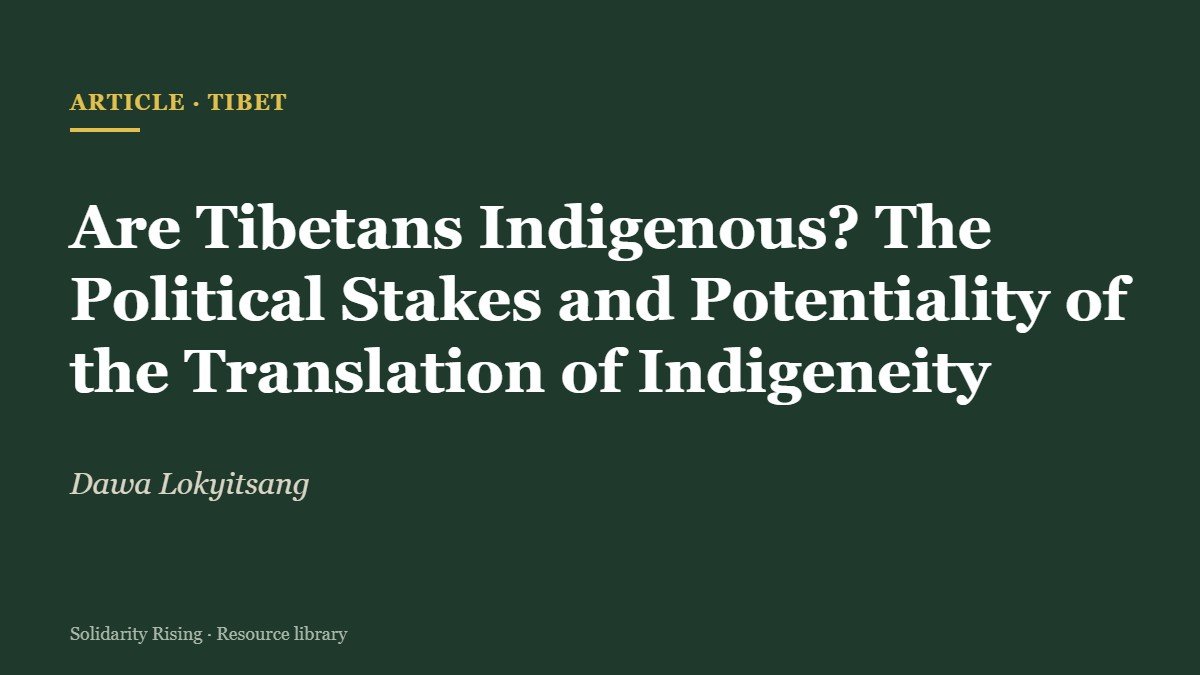
Dawa Lokyitsang argues that the more important question is not whether Tibetans are Indigenous but what political stakes shape the answer. She shows that indigeneity began as a racial category created by settler governments in North America to justify taking Indigenous land and governing Indigenous people, and that Indigenous sovereignty movements have since fought over and reshaped the term, so its meaning depends on who is defining it.
Drawing on the work of Emily Yeh, she shows that Tibetan exile leaders rejected the label in the 1990s, because UN and Indian frameworks presented Indigenous peoples as backward, tribal and dependent on rights, not as sovereign nations. She points out that the People’s Republic of China voted for the UN Declaration on the Rights of Indigenous Peoples in 2007 while denying that any Indigenous peoples exist in China and classifying Tibetans as a minzu, an ethnic minority. She also discusses how state categories in India push groups to perform backwardness, and the growing involvement of Tibetans in North America in Indigenous struggles such as Idle No More and the protests at Standing Rock.
She concludes that the useful questions are where, when and why Tibetans claim or reject indigeneity, and that it can be a political tool for building solidarity and challenging settler-state control over land and sovereignty.
Travel with a delegation to Tibet, or become part of Solidarity Rising.