Related resources
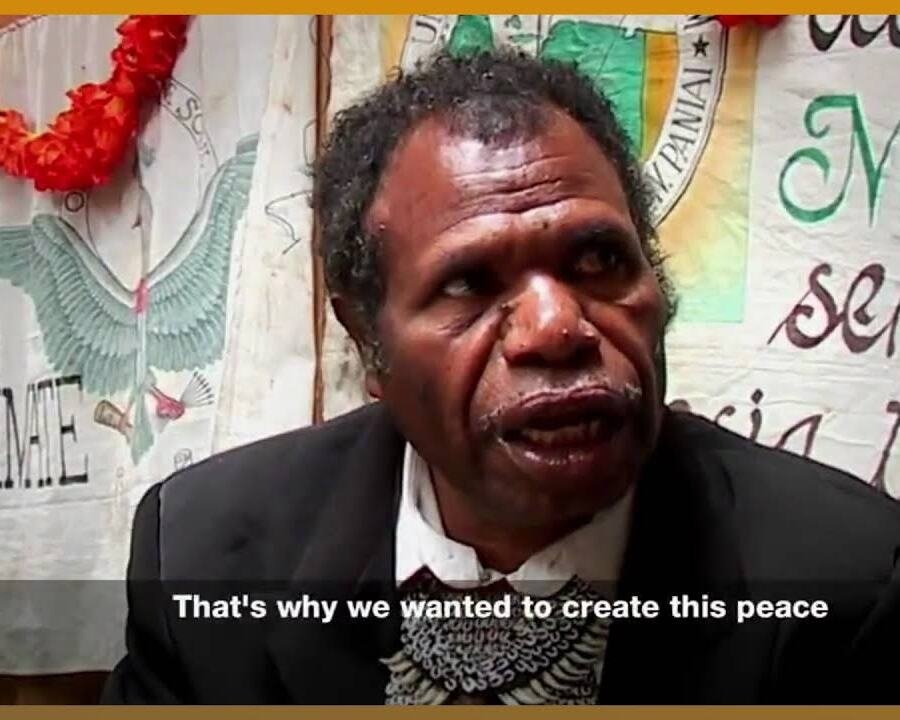


The Exodus of Tibetan Children
Dholma and Sonam, sent secretly across the Himalayas so they can grow up as…
Dholma and Sonam, sent secretly across the Himalayas so they can grow up as…
Article · Journal article · Western Sahara
By Yahia H. Zoubir · The Journal of North African Studies · Autumn 2000 · 50 min read
Published by The Journal of North African Studies. Opens on doi.org.
Yahia H. Zoubir argues that relations between Algeria and Morocco have been marked by rivalry since independence, and that this rivalry has kept the Arab Maghreb Union, created in 1989, from working. He traces the tension to post-colonial nation-building, power politics and colonial-era borders, and uses the 1963 border war and the 1969 Ifrane Treaty to show how the two states managed disputes by putting them aside.
Zoubir presents Western Sahara as the most important, though not the only, source of friction. He describes Algeria as backing Sahrawi self-determination partly out of fear of Moroccan expansion, and Morocco as pursuing the integration of the territory while resisting a referendum it doubted it could win. He documents the crises of 1994 and 1999 to 2001, including border closures and the dispute over the Paris-Dakar rally route through the territory.
He concludes that resolving the Western Sahara conflict would greatly improve cooperation in the region, though it would not end mistrust on its own, and that impartial outside mediation is needed. Democratisation and a shared Maghreb identity give grounds for cautious optimism.
Join a Western Sahara solidarity group near you, travel with a delegation to Western Sahara, or become part of Solidarity Rising.