Related resources
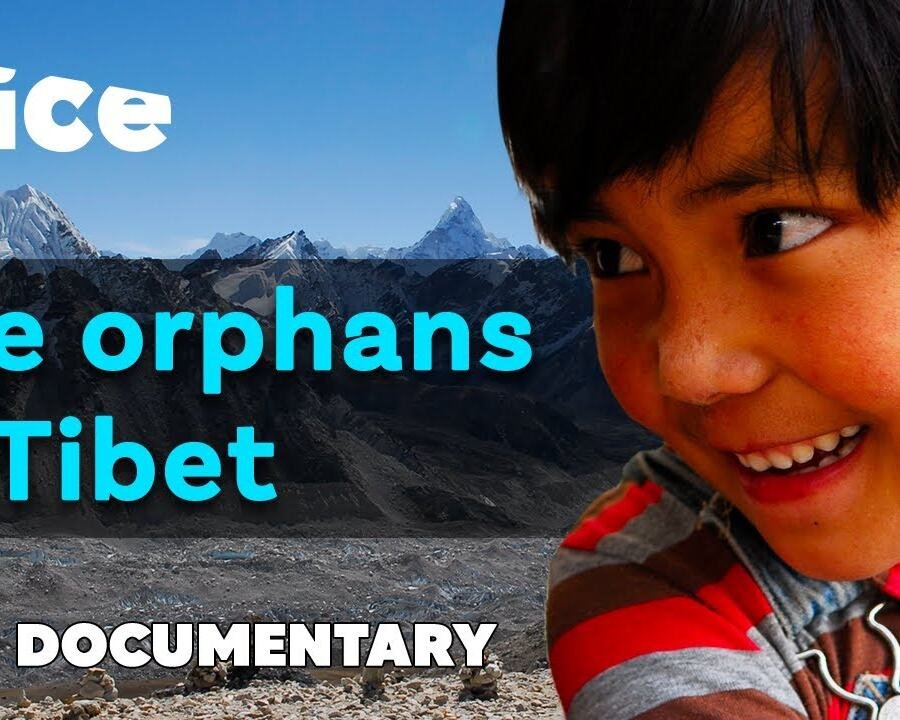
The Exodus of Tibetan Children
Dholma and Sonam, sent secretly across the Himalayas so they can grow up as…
Dholma and Sonam, sent secretly across the Himalayas so they can grow up as…
Article · Magazine article · Kurdistan
By Sardar Saadi · Middle East Report (MERIP), Issue 295 · 19 August 2020 · 14 min read
Published by Middle East Report (MERIP), Issue 295. Opens on merip.org.
Anthropologist Sardar Saadi explains how Kurds in Iran, who call their region Rojhelat (Eastern Kurdistan), are pursuing self-determination through new forms of politics. He traces a history of repeated defeat, from the crushing of the 1946 Mahabad republic to the Islamic Republic's military campaigns after 1979, its use of sectarian division and its assassinations of Kurdish leaders abroad.
Saadi shows that most Kurdish parties now seek autonomy within a democratic, federal Iran rather than independence, though they differ in approach, from nationalist parties based in Iraqi Kurdistan to the PJAK, which follows the democratic confederalist model. He describes the economic marginalisation of Kurdish regions, including the dangerous work of kolbars (cross-border porters), and the scale of repression, with Kurds making up a disproportionate share of Iran's political prisoners and of those executed. Kurdish media, the Rojava experience and a younger generation, he argues, have reshaped the movement.
He concludes that the demands of Iran's non-Persian peoples cannot be ignored in any future political change, while warning that the outlook remains bleak given repression, economic decline and regional tensions.
Travel with a delegation to Kurdistan, or become part of Solidarity Rising.