Related resources

The Exodus of Tibetan Children
Dholma and Sonam, sent secretly across the Himalayas so they can grow up as…
Dholma and Sonam, sent secretly across the Himalayas so they can grow up as…
Article · Journal article · Western Sahara
By Charles Dunbar & Kathleen Malley-Morrison · Journal of Peacebuilding & Development · 2009 · 26 min read
Published by Journal of Peacebuilding & Development. Opens on aura.american.edu.
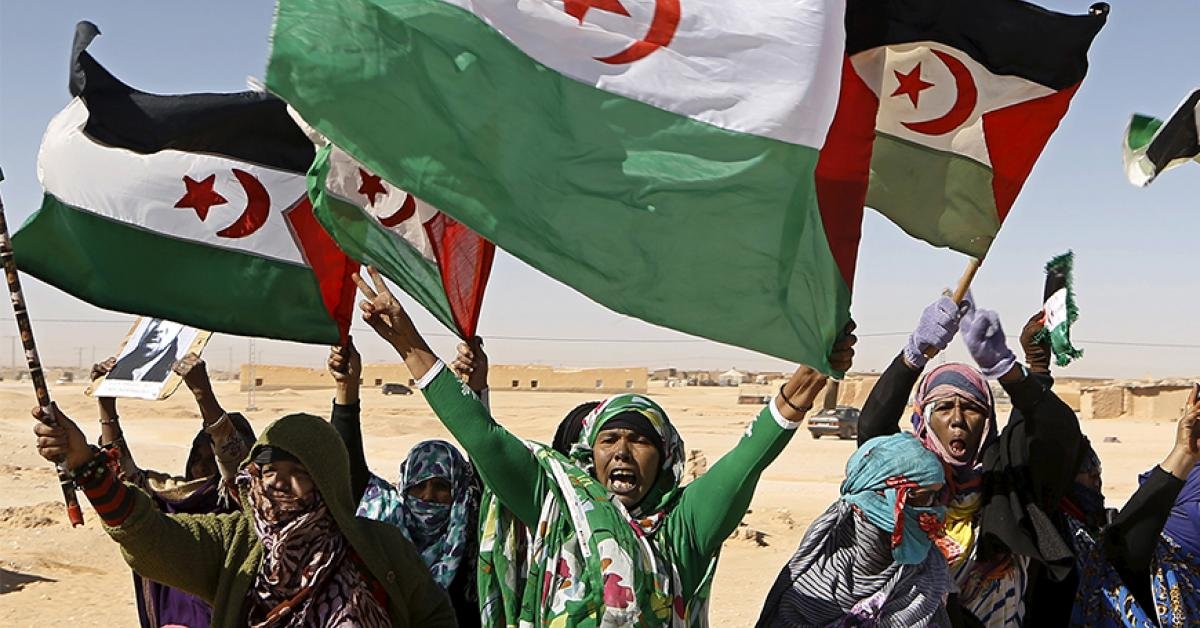
Charles Dunbar, who served as the UN’s representative for Western Sahara in 1998 and 1999, and Kathleen Malley-Morrison look at why the UN has failed to settle the conflict. They trace the problem back to the late 1980s, when Secretary-General Pérez de Cuéllar pushed ahead with a referendum plan while keeping the parties’ objections from the Security Council and from his own staff. In their view this secrecy left a lasting distrust of the UN on all sides.
The authors argue that the Security Council repeatedly passed up chances to suspend the peace process, which they see as the step most likely to force the parties into real negotiations. Because the conflict has cost relatively few lives, the Council has found it easy to let the process run on. Drawing on Security Council records, the memoirs of UN officials and Dunbar’s own experience, they show how Morocco’s occupation policies and its exploitation of phosphates and fisheries have mainly benefited Morocco, while Sahrawi unemployment stayed high.
They conclude that a ceasefire alone has not brought development. Their recommendations include more transparency in negotiations, a willingness to suspend talks that are going nowhere, and more scholarships and job opportunities for Sahrawi refugees in the camps in Algeria.
Join a Western Sahara solidarity group near you, travel with a delegation to Western Sahara, or become part of Solidarity Rising.