Related resources
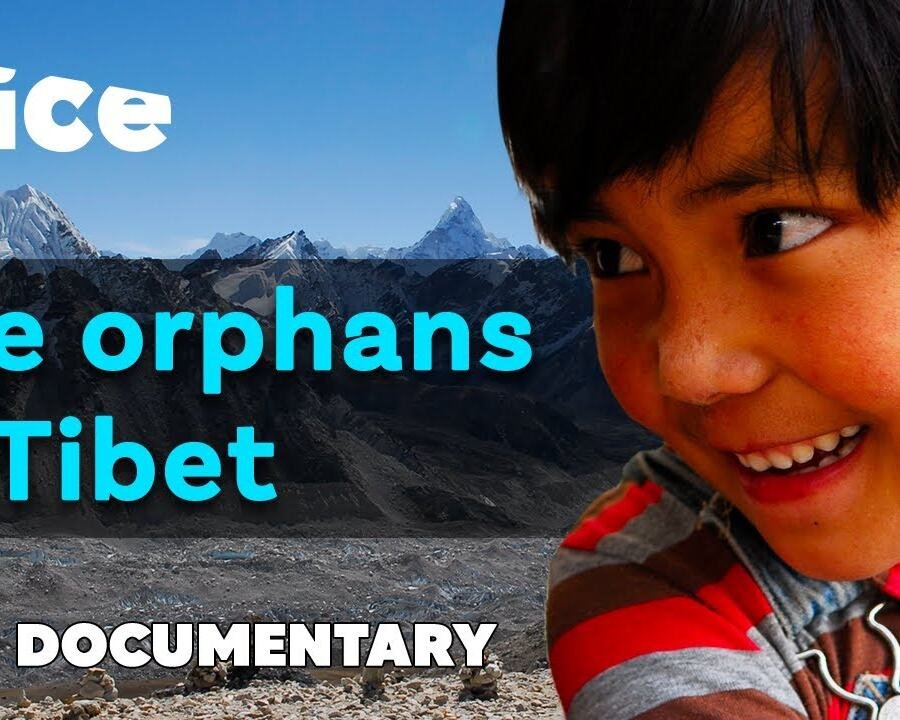
The Exodus of Tibetan Children
Dholma and Sonam, sent secretly across the Himalayas so they can grow up as…
Dholma and Sonam, sent secretly across the Himalayas so they can grow up as…
Article · Journal article · Western Sahara
By Irene Fernández-Molina & Raquel Ojeda-Garcia · Nationalities Papers (Cambridge University Press) · 2020 · 33 min read
Published by Nationalities Papers (Cambridge University Press). Opens on doi.org.
Irene Fernández-Molina and Raquel Ojeda-García ask what kind of state the Sahrawi Arab Democratic Republic (SADR) is. They argue that it is a hybrid of a parastate and a state-in-exile. Its government works mainly from the refugee camps near Tindouf in Algeria, which makes it an extraterritorial state-in-exile in practice, while its control of about a quarter of Western Sahara lets it partly meet the legal criteria for statehood.
The authors stress that the SADR is unusual among contested states because it grew out of a stalled decolonisation and a foreign occupation, not a secession. They compare it with Palestine, Taiwan and Northern Cyprus, and draw on the 1975 ICJ opinion, the Madrid Accords, the failed UN Settlement Plan and Baker Plans, the role of MINURSO and the positions of France, the United States and Algeria. They also look at the SADR’s recognition by other states, its membership of the African Union and the EU court rulings on Morocco’s use of the territory’s resources.
They conclude that the SADR’s external sovereignty has grown, especially through legal challenges to Moroccan resource exploitation, while its internal sovereignty remains limited and largely in exile. With the conflict frozen and every route to a settlement blocked, they see no resolution in the near term.
Join a Western Sahara solidarity group near you, travel with a delegation to Western Sahara, or become part of Solidarity Rising.