
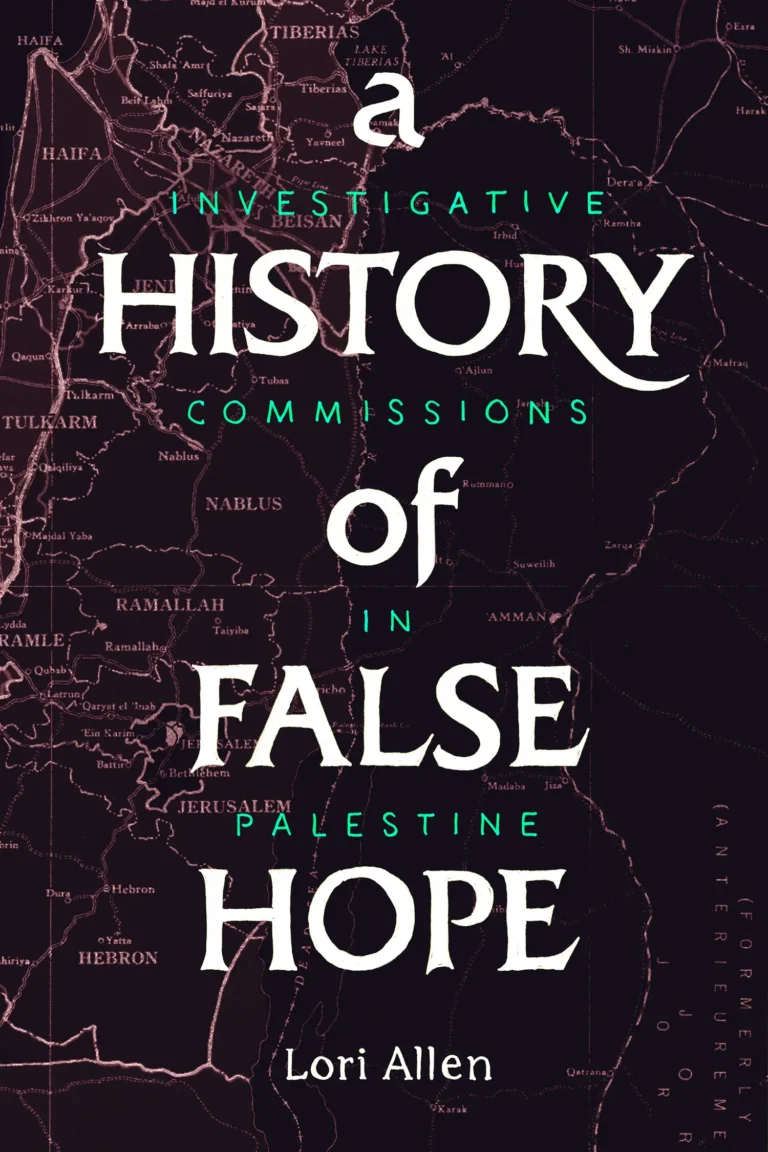
A history of false hope
Lori A. Allen’s A History of False Hope is a study of how Palestinians repeatedly engaged with international investigative commissions and other liberal institutions, only to see their hopes for justice deferred or denied. The book follows this pattern across the 20th
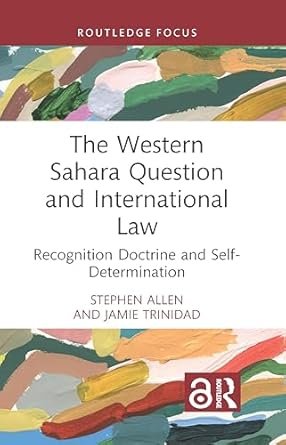
The Western Sahara Question and International Law: Recognition Doctrine and Self-Determination
If one accepts the ICJ’s conclusion that the right to self-determination isvested in the Sahrawi people as a matter of international law, it follows thatMorocco’s subsequent occupation of Western Sahara, in violation of the peremptory norms concerning the prohibition on the use of force and the rightto self-determination, has generated erga omnes obligations for third Statesand International Organisations (IOs), which are under a duty to withholdrecognition of Morocco’s assertion of sovereignty and to refrain from dealing with it vis-à-vis Western Sahara.
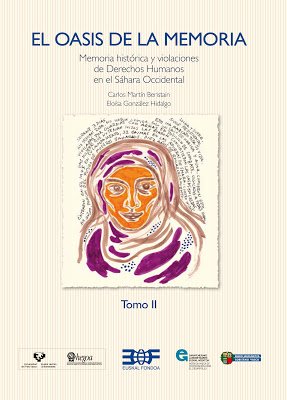
El oasis de la memoria: memoria histórica y violaciones de Derechos Humanos en el Sáhara Occidental (II)
El oasis de la memoria is both a human rights report and a narrative of resistance, combining legal analysis, historical reconstruction, and personal stories to highlight the enduring impact of colonialism and occupation on the Sahrawi people.
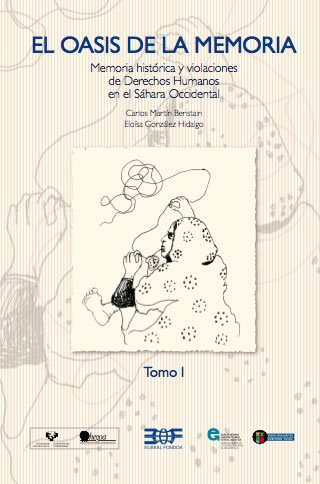
El oasis de la memoria: memoria histórica y violaciones de Derechos Humanos en el Sáhara Occidental (I)
El oasis de la memoria is both a human rights report and a narrative of resistance, combining legal analysis, historical reconstruction, and personal stories to highlight the enduring impact of colonialism and occupation on the Sahrawi people.
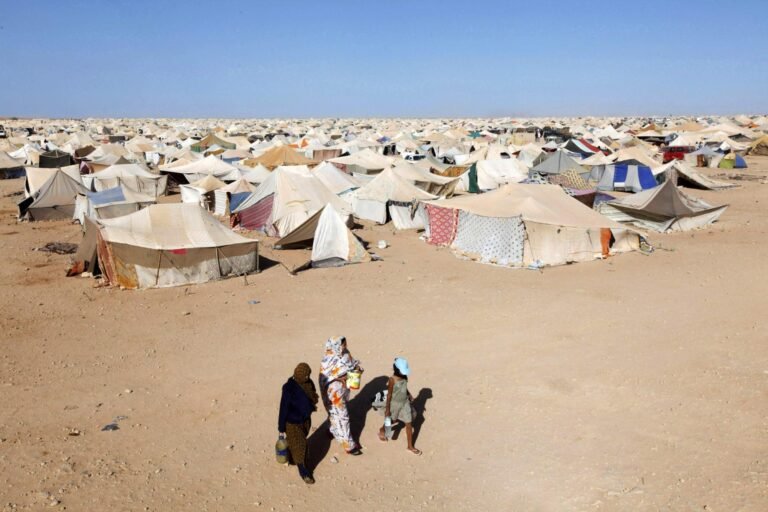
The Western Sahara
As territory, topography, and tribal social structures are laid out, Price argues that any resolution, to be lasting, would need to account for local identities and historical claims, not just broad power politics.