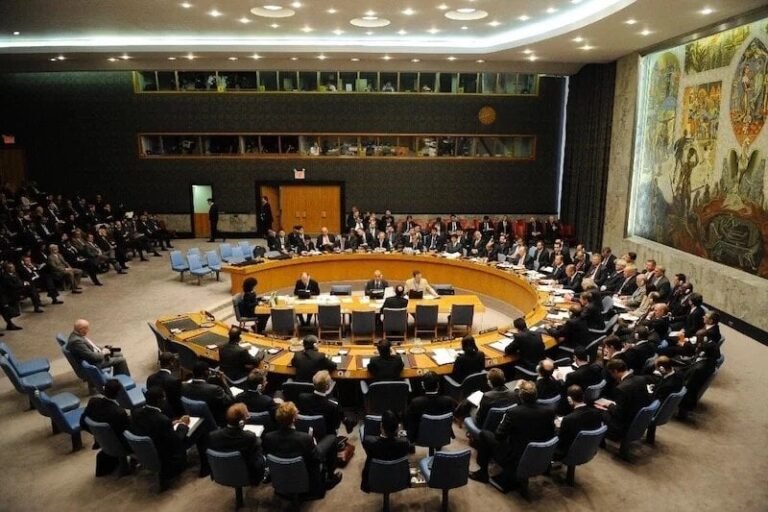
The UN and Western Sahara – Reviving the UN Charter
The Sahrawi people's right to self-determination remains unfulfilled, as Morocco continues to occupy the territory and reject any referendum that includes independence. The article highlights the failure of current UN efforts and calls for renewed commitment to international law and decolonisation principles.
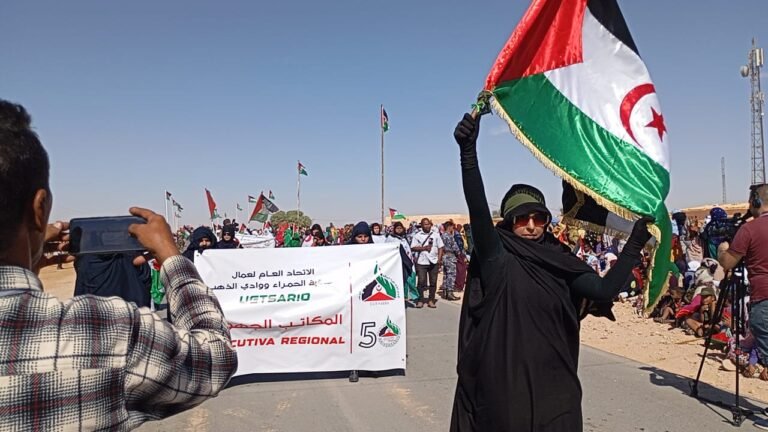
Territory & Identity in international law: the Struggle for Self-Determination in Western Sahara
Western Sahara: Identity, Territoriality, and the Fight for Self-Determination Western Sahara’s struggle for self-determination is deeply tied to territorial identity, colonial-era boundaries, and the challenges of recognizing nomadic populations in modern legal frameworks. Historically, self-determination gained prominence through postcolonial movements,
Cold War Technologies, Global Fertilizers, and the Fate of Western Sahara
When, after years of geological and geophysical exploration, a phosphate mine was discovered at Bu-Craa in 1964, Western Sahara received renewed geopolitical attention. Several countries competing for the control of the world fertilizer market, including Morocco, Spain, France, and the United States, developed diverging strategies to gain control of the mineral.
Nationalism, Identity and Citizenship in The Western Sahara
This article explores the processes of development and naturalisation of the Saharawi national identity that emerged during the 1970s under the leadership of the Frente Polisario and argues that in order to understand the Western Sahara conflict it is necessary to analyse the hegemonic policies implemented by both the Polisario and Morocco.