Related resources



The Exodus of Tibetan Children
Dholma and Sonam, sent secretly across the Himalayas so they can grow up as…

Dholma and Sonam, sent secretly across the Himalayas so they can grow up as…
Article · Journal article · Western Sahara
By Guy Harpaz · Journal of World Trade (Kluwer Law International) · 2018 · 25 min read
Published by Journal of World Trade (Kluwer Law International). Opens on kluwerlawonline.com.
Guy Harpaz compares how the European Union applies its trade agreements to two occupied territories. Under its association agreement with Israel, the EU has excluded goods from the occupied Palestinian territories from preferential treatment. Under its association agreement with Morocco, it long treated occupied Western Sahara as covered, so Moroccan firms received trade benefits in the territory.
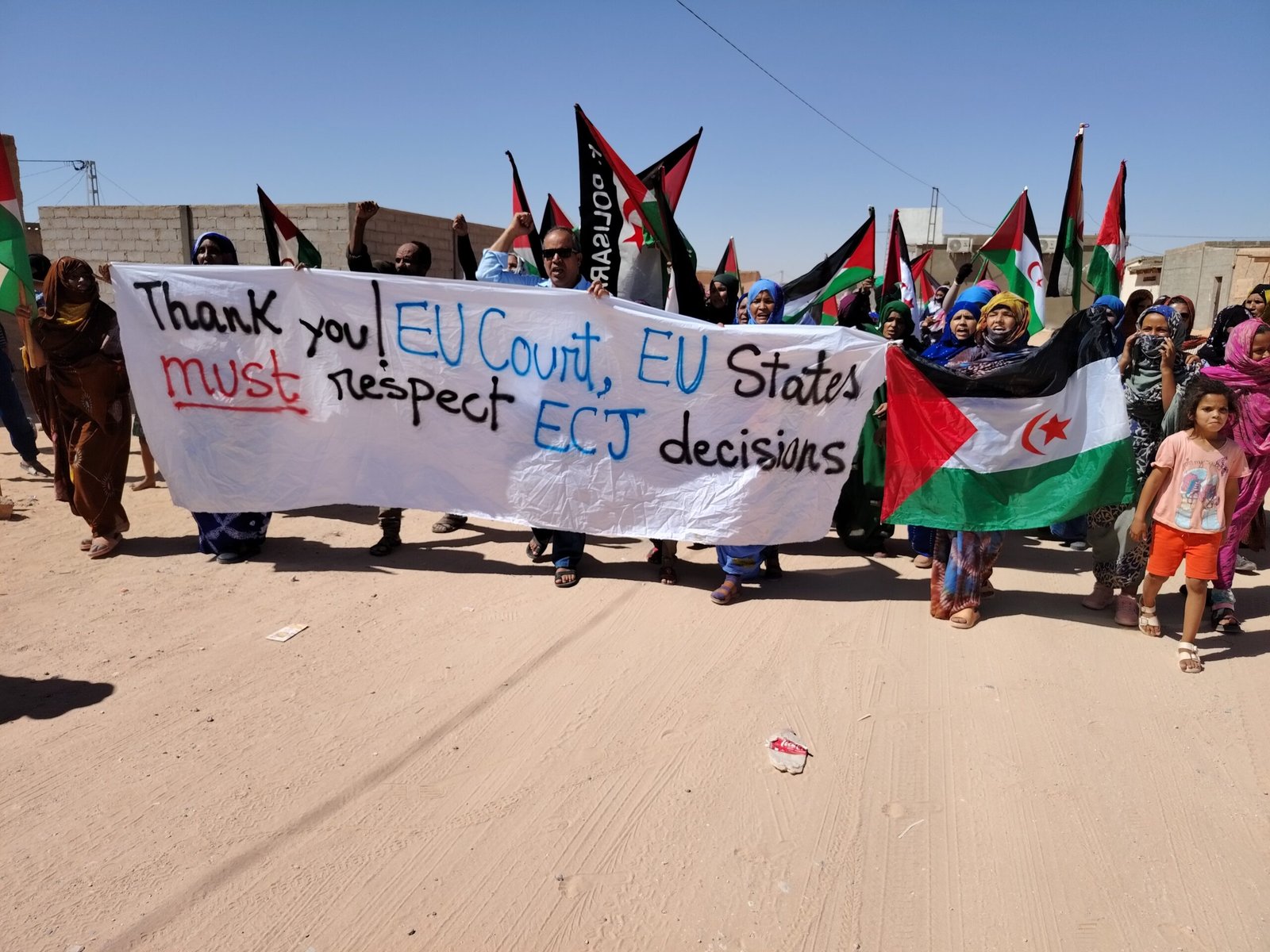
Harpaz examines the Brita ruling of 2010 and the Front Polisario ruling of December 2016, in which the EU Court of Justice found that the EU-Morocco agreement does not apply to Western Sahara. He argues that the later ruling brings the EU’s legal reasoning in the two cases into line, because both rest on self-determination and on the principle that a treaty cannot bind a third party. He also compares the territorial clauses of the agreements, the 2006 fisheries agreement, the 2010 liberalisation agreement and the origin, labelling and funding rules the EU has adopted for Israeli settlements, which have no Moroccan equivalent.
He concludes that inconsistencies remain in practice and weaken the EU’s credibility. He recommends that when the EU uses trade measures to uphold international law, it apply them consistently to comparable cases.
Join a Western Sahara solidarity group near you, travel with a delegation to Western Sahara, or become part of Solidarity Rising.