The Non-Interventionary Norm Prevails: an Analysis of the Western Sahara
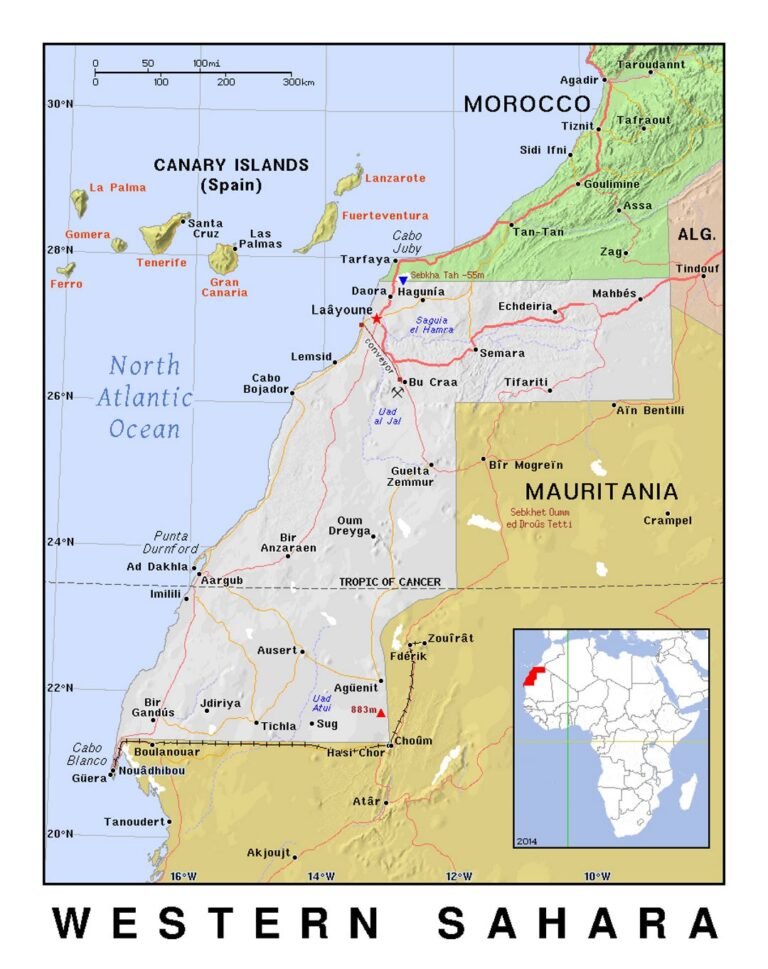
This article addresses why non-intervention occurs and how it can actually contribute to the intractable nature of some conflicts - especially those caused by nationalist sentiment - by examining the case of the Western Sahara.
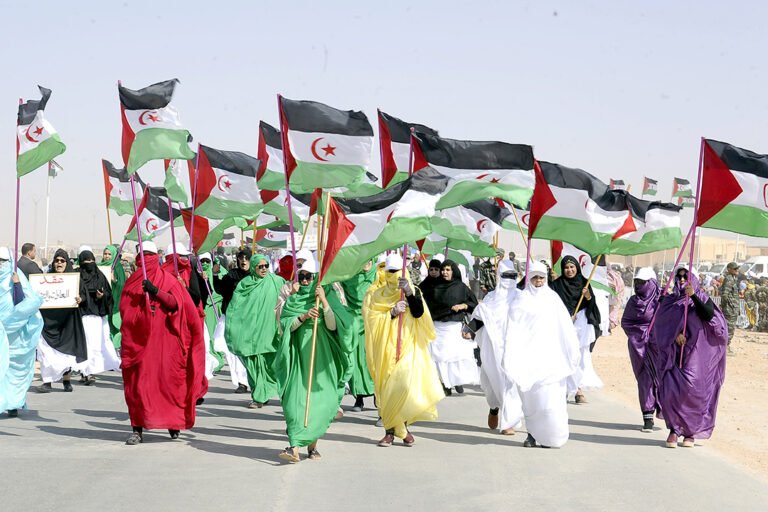
Protracted conflict and failure to achieve prenegotiation in Western Sahara Conflict
The United Nations and Western powers, due to the absence of political will and/or questions of Realpolitik, also bear responsibility for the continuation of this enduring conflict.
The Western Sahara Question and International Law: Recognition Doctrine and Self-Determination
If one accepts the ICJ’s conclusion that the right to self-determination isvested in the Sahrawi people as a matter of international law, it follows thatMorocco’s subsequent occupation of Western Sahara, in violation of the peremptory norms concerning the prohibition on the use of force and the rightto self-determination, has generated erga omnes obligations for third Statesand International Organisations (IOs), which are under a duty to withholdrecognition of Morocco’s assertion of sovereignty and to refrain from dealing with it vis-à-vis Western Sahara.
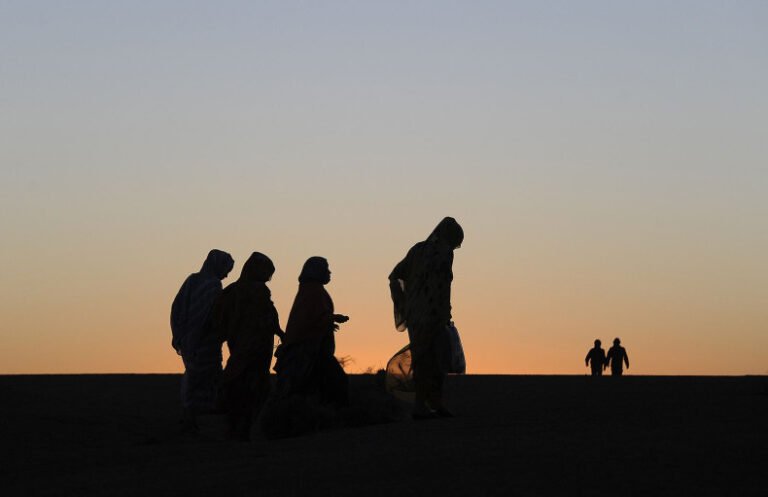
The Sahrawis of Western Sahara
The report details the displacement of much of the Sahrawi population to refugee camps in Algeria, the harsh conditions faced by those remaining, and the mixed role of international actors such as the UN and the Organization of African Unity—showing how global politics often outweighed justice in determining the territory’s fate.
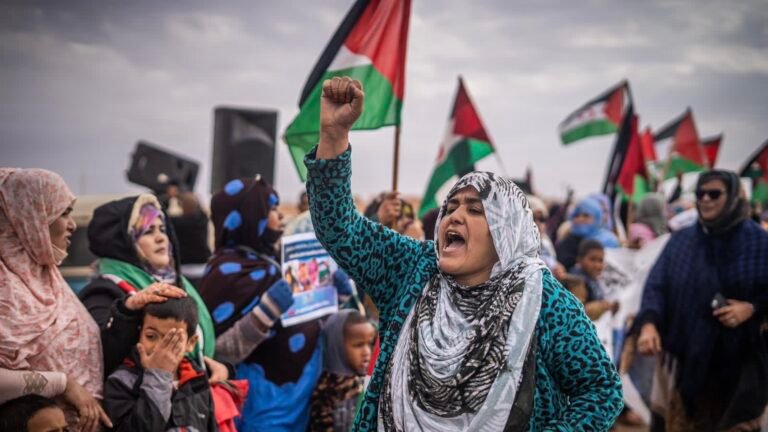
Western Sahara’s Unlearned Lessons
The Western Sahara conflict shows how national interests often override international principles, creating stalemates the UN cannot resolve. Morocco seeks annexation, Algeria supports independence, and the U.S. sends mixed signals. Decades later, a largely ineffective UN mission continues as tensions persist.