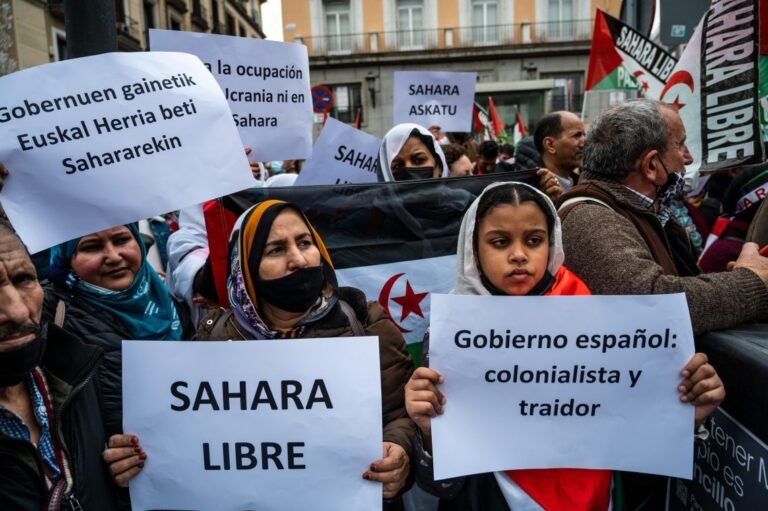
Western Sahara as a Hybrid of a Parastate and a State-in-Exile: (Extra)territoriality and the Small Print of Sovereignty in a Context of Frozen Conflict
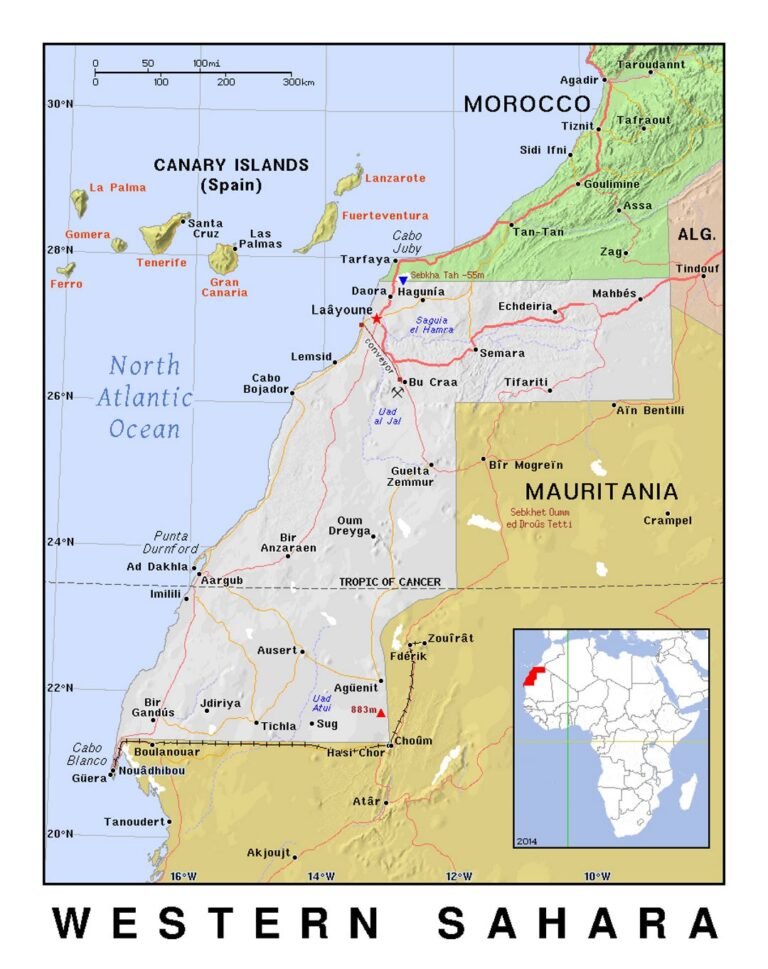
Within the liminal universe of parastates, what makes Western Sahara/SADR anomalous and unique is that it has not originated from secessionism but from foreign occupation in the context of a deviant or thwarted decolonization process.
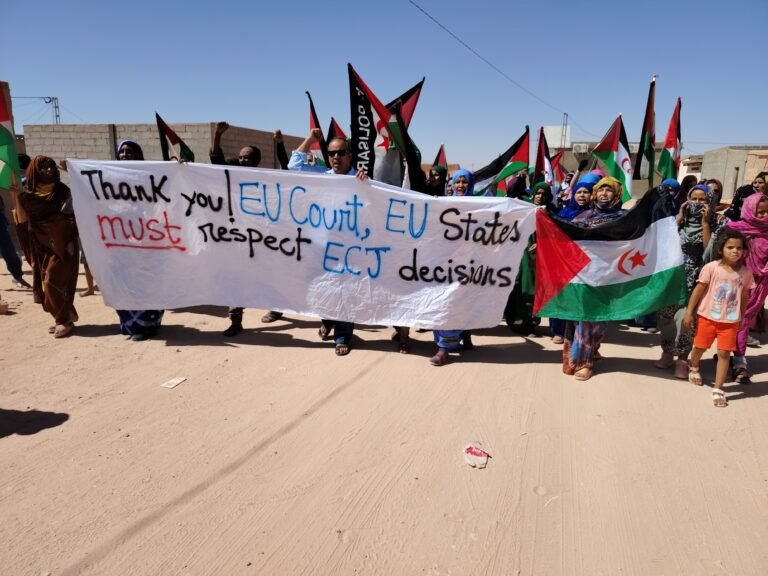
The Front Polisario Verdict and the Gap Between the EU’s Trade Treatment of Western Sahara and Its Treatment of the Occupied Palestinian Territories
Morocco’s control over Western Sahara and Israel’s control of the West Bank bear similar features in terms of public international law, in general, and the laws of belligerent occupation and the principle of self-determination, in particular. Yet despite these comparable attributes, when it comes to the application of its Common Commercial Policy (CCP) the EU has been treating the two cases differently.
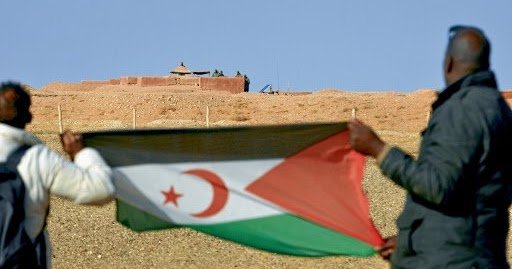
Conflict resolution in Western Sahara
The efforts to resolve the Western Sahara conflict have been jeopardised by the difficulties involved in trying to promote a democratic solution for a territory that is militarily controlled by an autocratic regime, the Moroccan government.
The Non-Interventionary Norm Prevails: an Analysis of the Western Sahara
This article addresses why non-intervention occurs and how it can actually contribute to the intractable nature of some conflicts - especially those caused by nationalist sentiment - by examining the case of the Western Sahara.
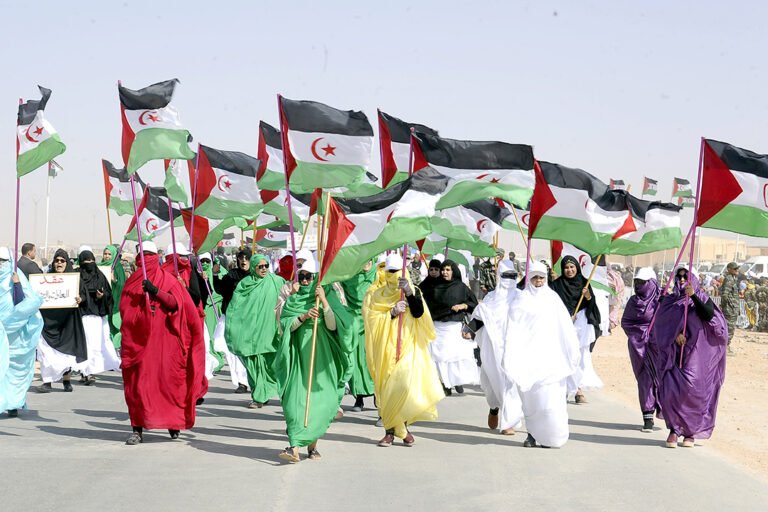
Protracted conflict and failure to achieve prenegotiation in Western Sahara Conflict
The United Nations and Western powers, due to the absence of political will and/or questions of Realpolitik, also bear responsibility for the continuation of this enduring conflict.