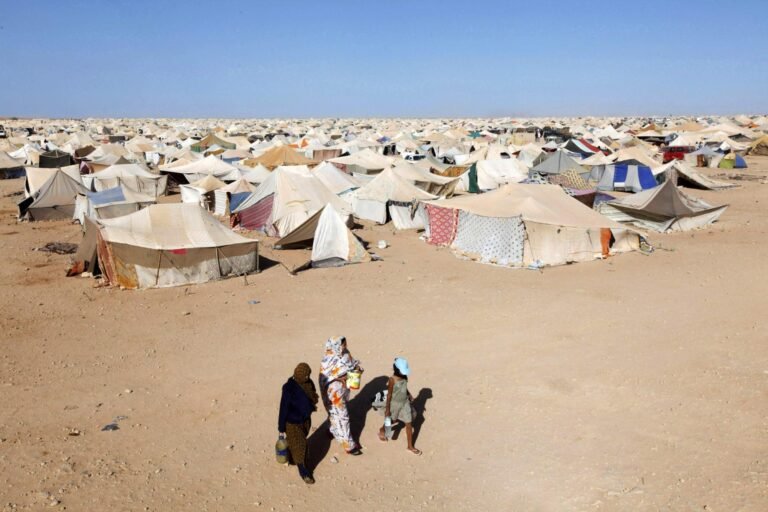
The Western Sahara
As territory, topography, and tribal social structures are laid out, Price argues that any resolution, to be lasting, would need to account for local identities and historical claims, not just broad power politics.
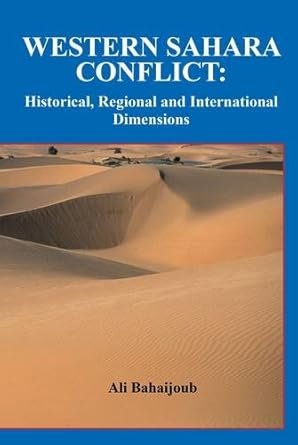
Western Sahara conflict: historical, regional and international dimensions
As the last African or Middle Eastern territory to be effectively colonised by a European power and one of the last to be freed from colonial yoke, the Western Sahara was considered in the 1950s and 60s primarily as an issue of decolonisation.
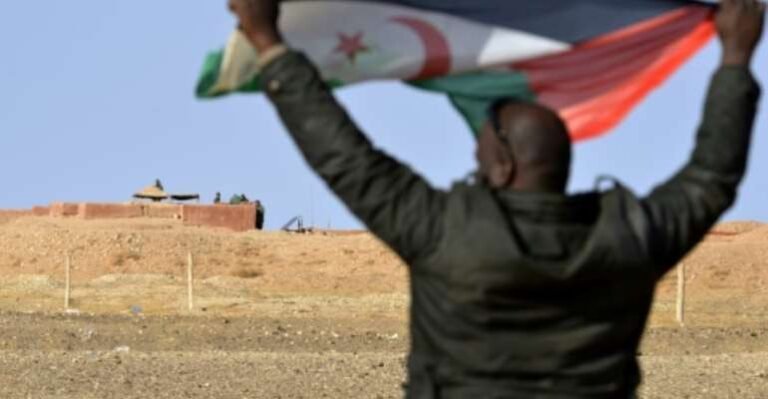
THE CONFLICT IN WESTERN SAHARA – AN UNRESOLVED ISSUE FROM THE DECOLONIZATION PERIOD
The Sahrawi Arab Democratic Republic was proclaimed by the Polisario Front. But the Sahrawi people did not gain their independence, and no sovereign state of Western Sahara was born.
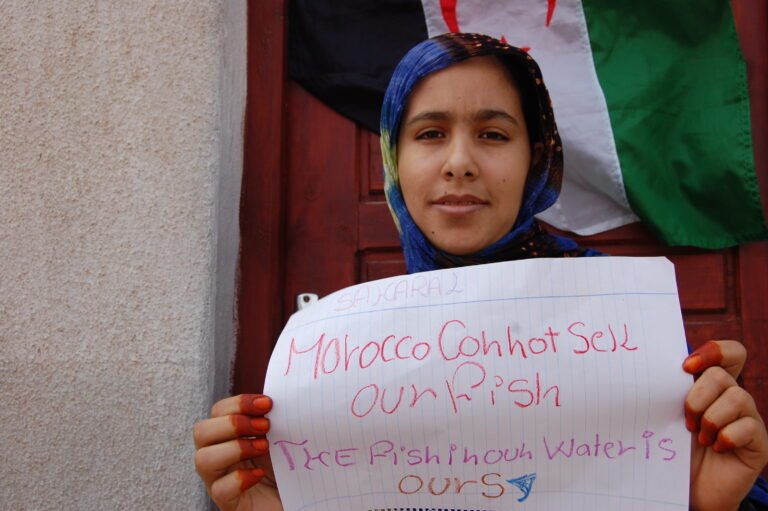
Trading fish or human rights in Western Sahara? Self-determination, non-recognition and the EC–Morocco Fisheries Agreement
The analysis highlights how political and economic interests, reflected in agreements like the Fisheries Partnership, threaten to erode established principles of international law and reinforce Morocco’s control, despite Western Sahara’s recognised status as a non-self-governing territory.
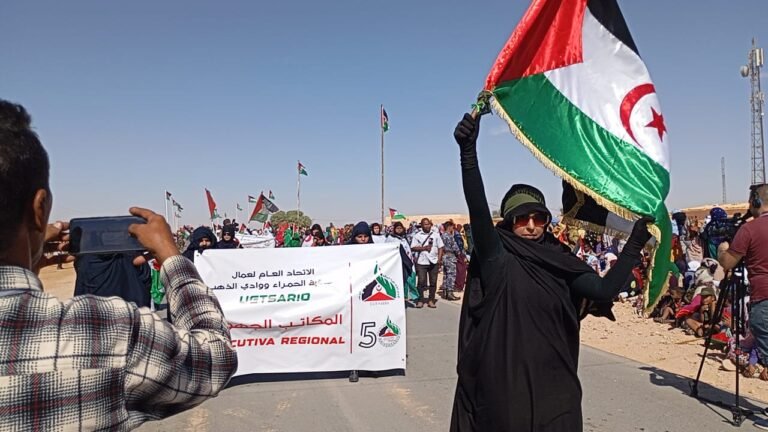
Territory & Identity in international law: the Struggle for Self-Determination in Western Sahara
Western Sahara: Identity, Territoriality, and the Fight for Self-Determination Western Sahara’s struggle for self-determination is deeply tied to territorial identity, colonial-era boundaries, and the challenges of recognizing nomadic populations in modern legal frameworks. Historically, self-determination gained prominence through postcolonial movements,