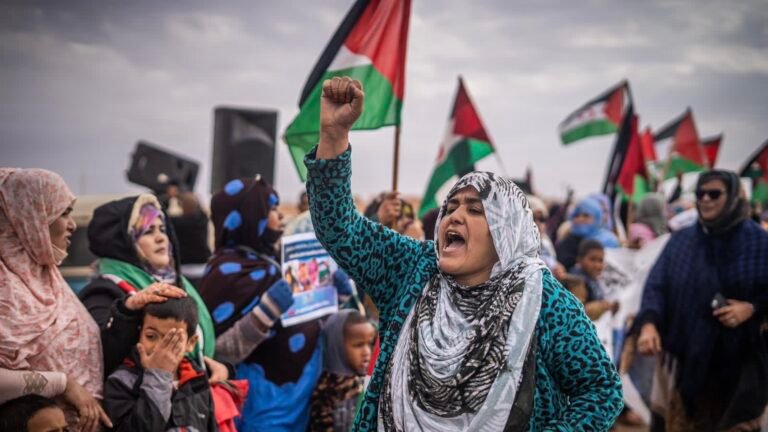
Western Sahara’s Unlearned Lessons
The Western Sahara conflict shows how national interests often override international principles, creating stalemates the UN cannot resolve. Morocco seeks annexation, Algeria supports independence, and the U.S. sends mixed signals. Decades later, a largely ineffective UN mission continues as tensions persist.
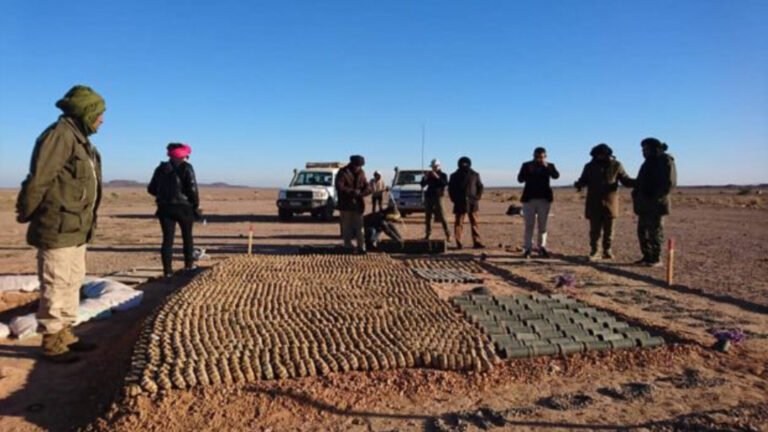
The largest prison in the world: landmines, walls, UXOs and the UN’s role in the Western Sahara
According to Saharawi Comandante Habuha Braica, landmine coordinator of the POLISARIO, “there are approximately 7 million landmines, although some studies raise the figure up to 10 million”. Taking into account that the Saharawi population does not surpass 300,000, “there are 20 landmines for each Saharawi”.
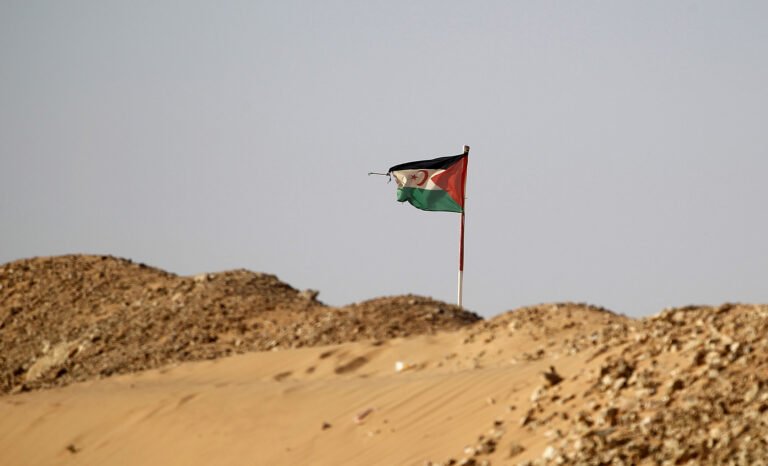
The Right to Resistance and the Western Sahara: A Twail Analysis of the International Legal Order and Its Constraints on Decolonization
This Note focuses on the role of the International Legal Order, as created and upheld by actors such as the United Nations and the United States, in developing and maintaining the stalemate.
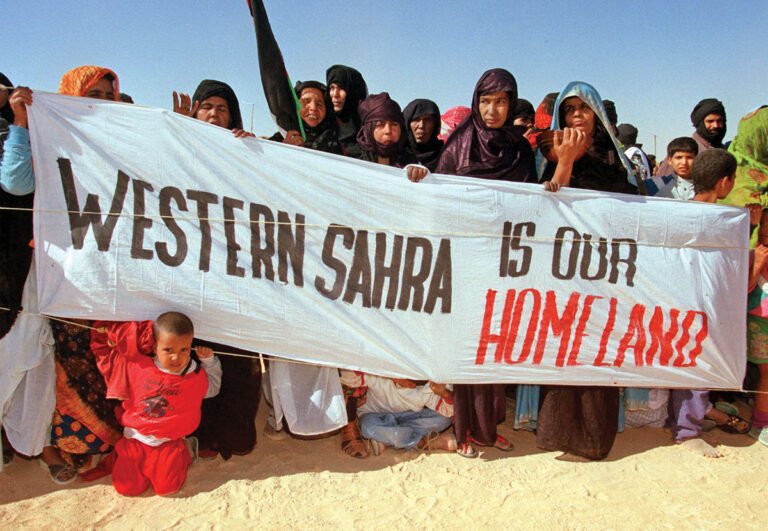
The Unspoken Conflict In Western Sahara
This article explores the unresolved conflict between Morocco and the Polisario Front over Western Sahara. Despite decades of UN efforts, no referendum has been held. Morocco offers autonomy, while the Polisario demands independence. Regional rivalries and international interests have prolonged the stalemate. The authors argue that only compromise can bring a solution and end the suffering of the Sahrawi people.
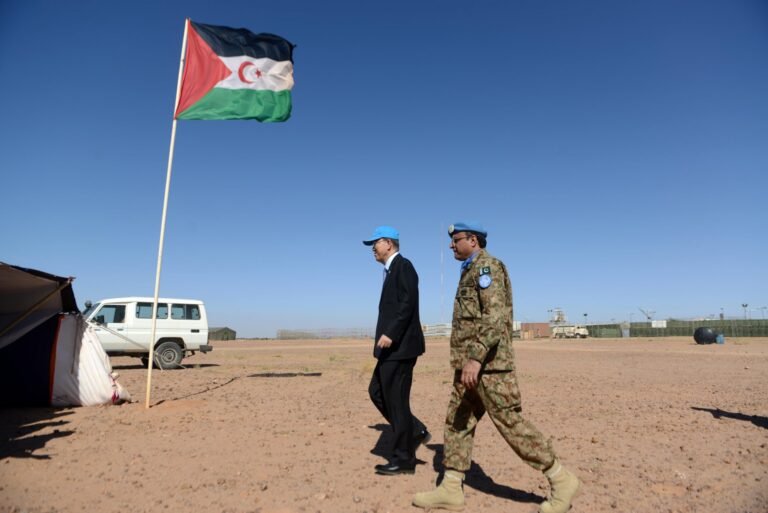
The Role of the United Nations Resolutions in Achieving Justice and Peace in the Western Sahara Conflict: A Case Crisis of Relevance
Here’s a possible sentence you can extract or adapt from your text: The UN’s failure to resolve the Western Sahara conflict highlights the challenges of implementing international legal principles amid foreign interests and regional rivalries.