Related resources
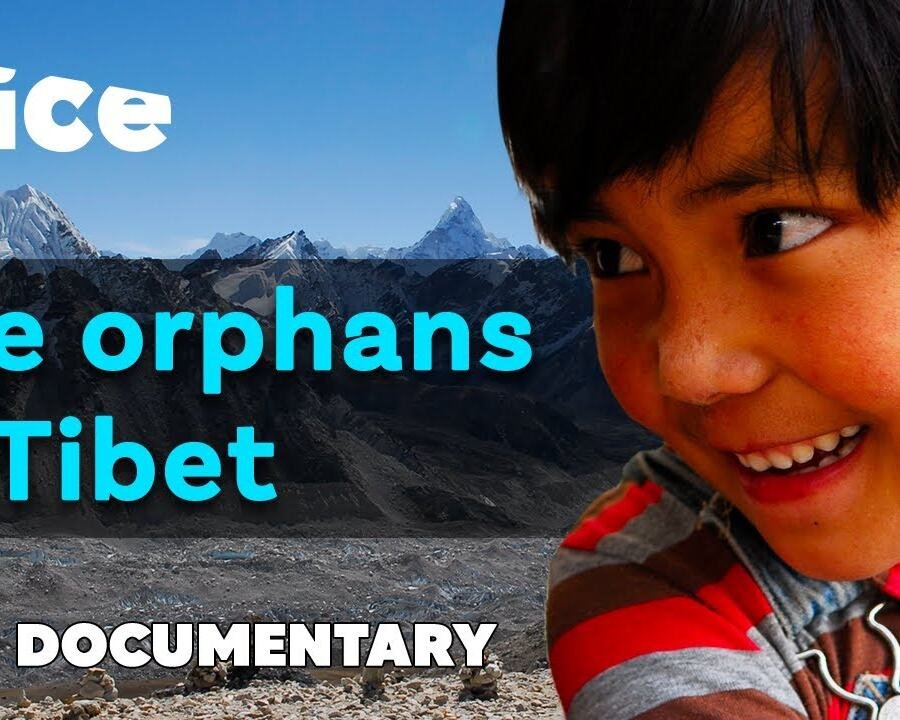
The Exodus of Tibetan Children
Dholma and Sonam, sent secretly across the Himalayas so they can grow up as…
Dholma and Sonam, sent secretly across the Himalayas so they can grow up as…
Article · Journal article · Western Sahara
By Jacob A. Mundy · The Journal of Modern African Studies (Cambridge University Press) · June 2007 · 38 min read
Published by The Journal of Modern African Studies (Cambridge University Press). Opens on doi.org.
Jacob A. Mundy argues that the Sahrawi refugee camps in south-west Algeria work as a laboratory for the national project of an independent Western Sahara. He shows how the camps’ self-managed institutions, from neighbourhood cells to district councils and committees, were designed to rehearse statehood and train citizens for independence, and how the Polisario Front’s leadership remained largely unchanged from its 1976 congress to 2003.
Mundy describes how the camps changed after the 1991 ceasefire, and especially after the UN abandoned the referendum in 2000. Money from Spanish pensions, gifts from host families in the summer programmes and trade created markets and new class divisions, and brought renewed pressure on women, including the return of bride price and stricter dress. He argues that these changes did not weaken nationalism. A more settled life made refugees less willing to accept anything short of independence. He also points to the Khatt al-Shahid reform movement and the 2005 intifada in the occupied territory as signs that nationalist energy was moving into Western Sahara itself.
He concludes that the camps remain resilient and nationalist, that Polisario’s leadership faces growing internal challenges, and that a settlement that ignores what the refugees want is unlikely to succeed.
Join a Western Sahara solidarity group near you, travel with a delegation to Western Sahara, or become part of Solidarity Rising.